 Book via WhatsApp!

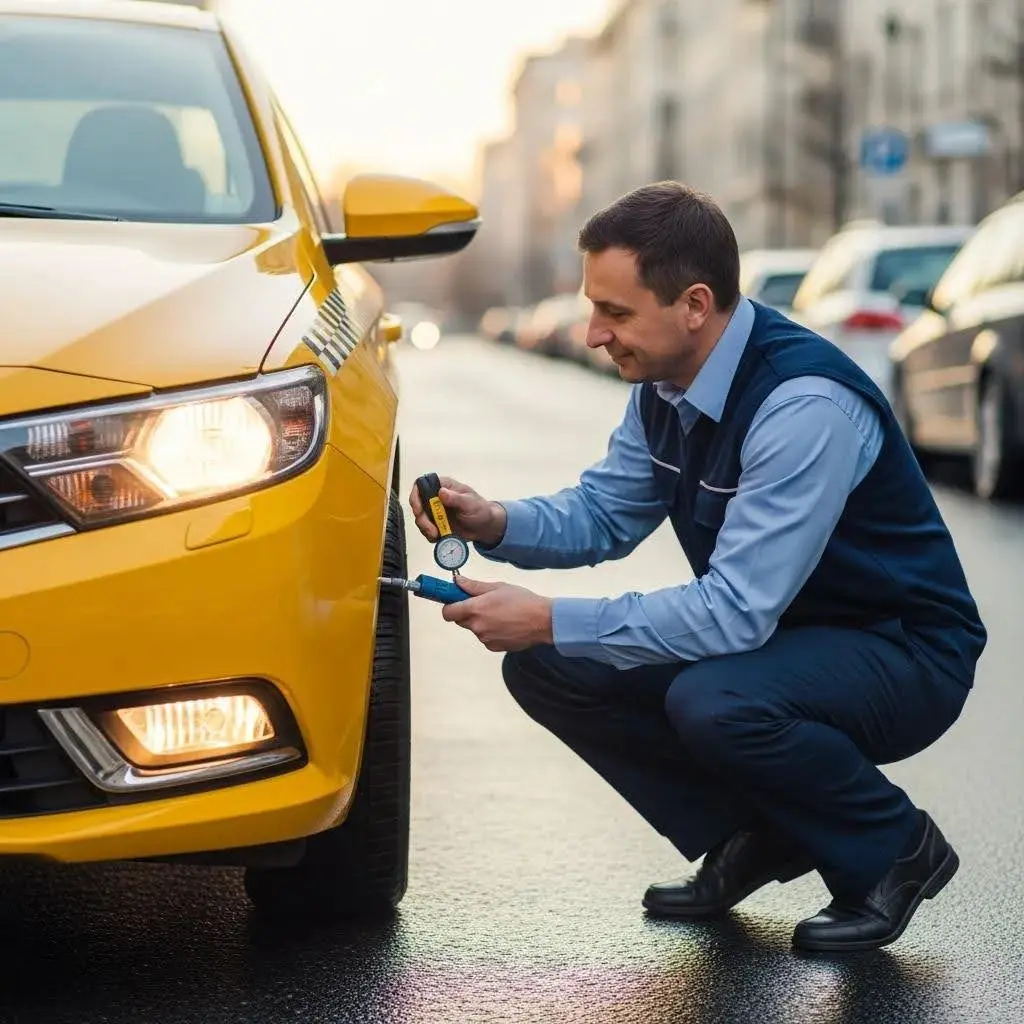
Passenger safety is the priority for every good taxi service. Regular vehicle checks stop small faults from becoming dangerous problems and keep your taxi roadworthy.
Today, this guide walks you through the daily checks every driver should do and the UK rules that affect maintenance. It also covers how Express Taxisdescribes its safety and vehicle standards on its website. Read on for practical, no-nonsense guidance you can use today.
What Daily Vehicle Safety Checks Should Every Taxi Driver Perform?
Daily checks are simple, quick, and effective. A short routine at the start of each shift helps spot worn tyres, faulty lights, or other issues that could put passengers or other road users at risk. Doing these checks consistently supports compliance with licensing conditions and reduces the chance of breakdowns during a job.
How To Inspect Tyres For Tread Depth And Pressure In Taxis
Tyres are one of the easiest safety items to check and one of the most important. Use a tread gauge to ensure at least the legal minimum of 1.6 mm across the central three-quarters of the tread.
Check tyre pressures against the manufacturer’s recommendation (often on a sticker inside the driver’s door or in the handbook). Correct pressure improves handling, extends tyre life and saves fuel.
Lights, Wipers And Horn Checks Before Driving
Before you set off, test headlights, brake lights, indicators and hazard lights to make sure they all work. Check that wipers clear the windscreen effectively and replace worn blades. Make sure the horn operates; it’s an essential tool for communicating with other road users. These checks take minutes but help reduce accident risk.
How Do UK Private Hire Vehicle Safety Standards And Regulations Affect Taxi Maintenance?

National roadworthiness rules apply across the UK, and local councils set private hire licensing conditions. Those local requirements can add extra checks for safety and emissions. Staying familiar with these rules helps operators plan maintenance, avoid penalties, and deliver a consistently safe service to passengers.
MOT Vs Taxi Licensing Inspections
An MOT checks a vehicle’s basic roadworthiness and emissions. Taxi licensing inspections go further: they assess whether a vehicle is fit for public service, interior condition, passenger safety features and any local licensing criteria. Both are important: pass your MOT and meet your licensing inspection to operate legally.
Local Taxi Licensing Requirements In Kent And Nearby Areas
In Kent and neighbouring areas, local licensing conditions typically require a valid MOT, emissions compliance, and working safety essentials like seatbelts.
Items such as first aid kits or fire extinguishers are often recommended and may be mandated by individual local authorities, so check your local licensing conditions and keep documentation up to date.
What Is The Recommended Taxi Maintenance Checklist Beyond Daily Safety Checks?
Alongside daily checks, schedule regular maintenance to prevent failures and keep vehicles efficient. A planned programme for brakes, engine, steering, and tyres protects passengers, reduces downtime, and prolongs vehicle life.
Brake And Steering Maintenance For Passenger Safety
Check brake fluid levels and inspect pads and discs for wear. If brakes feel spongy, pull to one side, or make unusual noises, remove the vehicle from service until a technician inspects it. Steering components should be checked for excessive play, damag,e or leaks; worn steering parts affect handling and passenger comfort.
Engine Health And Emissions Compliance
Regular engine checks keep performance steady and emissions within legal limits. Monitor oil and coolant levels, look for leaks, and respond promptly to warning lights. Staying emission-compliant avoids fines and keeps the vehicle legal to operate in low-emission zones.
Which Passenger Safety Features And Emergency Equipment Should Taxis Have?
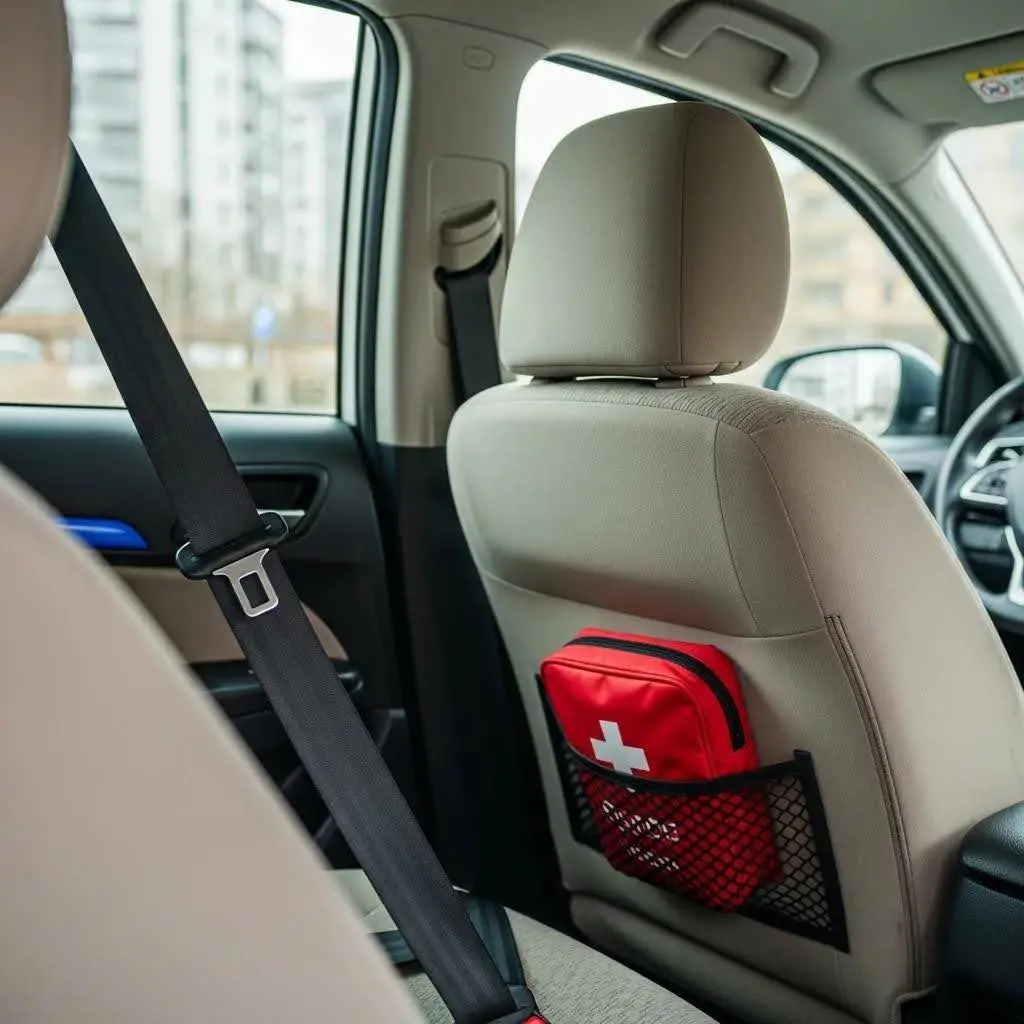
Passenger safety features and basic emergency kit items are essential for a professional taxi service. They reassure passengers and help your team handle incidents quickly and safely.
Seatbelt Checks And Interior Cleanliness Standards
Check every seatbelt for correct operation and visible damage before a shift. Keep the interior clean and hygienic, vacuum seats, wipe hard surfaces, and sanitise high-touch areas like door handles and seatbelt buckles. A clean taxi feels safer and makes a better impression.
First Aid Kits, Fire Extinguishers And Accessibility Requirements
Requirements for equipment vary by area, but it’s good practice to carry a basic first aid kit and an accessible, regularly inspected fire extinguisher. Make sure any accessibility fittings meet the Equality Act 2010 and local licensing rules so passengers with disabilities can travel safely and comfortably.
How Does Express Taxis Ensure Rigorous Vehicle Safety And Maintenance Standards?
At Express Taxis, the website states that safety and security are top priorities. The website says its vehicles are licensed and meet legal requirements for private hire. It also says vehicles are clean and regularly serviced, and that bookings are pre-booked for added security. These steps help support a reliable, safe ride for customers.
Express Taxis Protocols Beyond UK Taxi Safety Rules
The website describes licensed vehicles, qualified drivers, and real-time location monitoring while vehicles are on the road. It also states a pre-booked pickup policy and booking notifications for customers. Where local rules vary, drivers and operators should follow their local licensing conditions and document their checks.
Benefits Of Regular Maintenance For Safety And Reliability
Consistent maintenance reduces breakdowns, keeps safety systems working, and helps drivers complete fares on time. That reliability builds trust with passengers and keeps a taxi service running smoothly.
| Maintenance Aspect | Frequency | Importance |
|---|---|---|
| Brake System Check | Monthly (or based on mileage and usage) | Critical for safety |
| Engine Inspection | Every 6 months (or per manufacturer schedule) | Ensures compliance and efficiency |
| Tyre Pressure Check | Weekly | Enhances fuel efficiency and safety |
Drivers should complete daily checks, follow local regulations and keep to a planned maintenance programme. Prioritising vehicle safety protects passengers, reduces risk and supports a dependable taxi service.
Express Taxis demonstrates this commitment through stated safety and security policies, plus a focus on clean, regularly serviced vehicles.
Frequently Asked Questions
What Should Taxi Drivers Do If They Find A Safety Issue During Their Checks?
If you spot a safety fault during checks, take the vehicle out of service immediately and arrange a repair. Record the problem and what you did about it, documentation helps with compliance and makes sure the issue is tracked until it’s resolved.
How Often Should Taxis Undergo Comprehensive Maintenance Beyond Daily Checks?
Carry out full maintenance checks at least every six months, or more often for high-mileage vehicles or per the manufacturer’s guidance. These checks should cover brakes, engine, steering and other critical systems.
What Are The Consequences Of Failing To Comply With Taxi Safety Regulations?
Non-compliance can result in fines, licence suspension and greater liability after an accident. It also puts passengers at risk and can damage your reputation, so keep records and follow the rules.
Are There Specific Training Requirements For Taxi Drivers Regarding Vehicle Safety?
Yes. Some licensing authorities require training on daily checks, safety procedures and emergency handling. Even where it’s not mandatory, regular refresher training helps drivers recognise and report issues early.
Next Steps for Safer Taxi Operations
Regular safety checks and a planned maintenance programme are the foundations of a safe, reliable taxi service.
By following the checks and guidance in this guide, and by keeping up with local licensing rules, operators protect passengers and maintain trust. For more advice or to see the safety and security policies described on our website, visit our site or contact the Express Taxis team.