 Book via WhatsApp!
Skip to content
Book via WhatsApp!
Skip to content

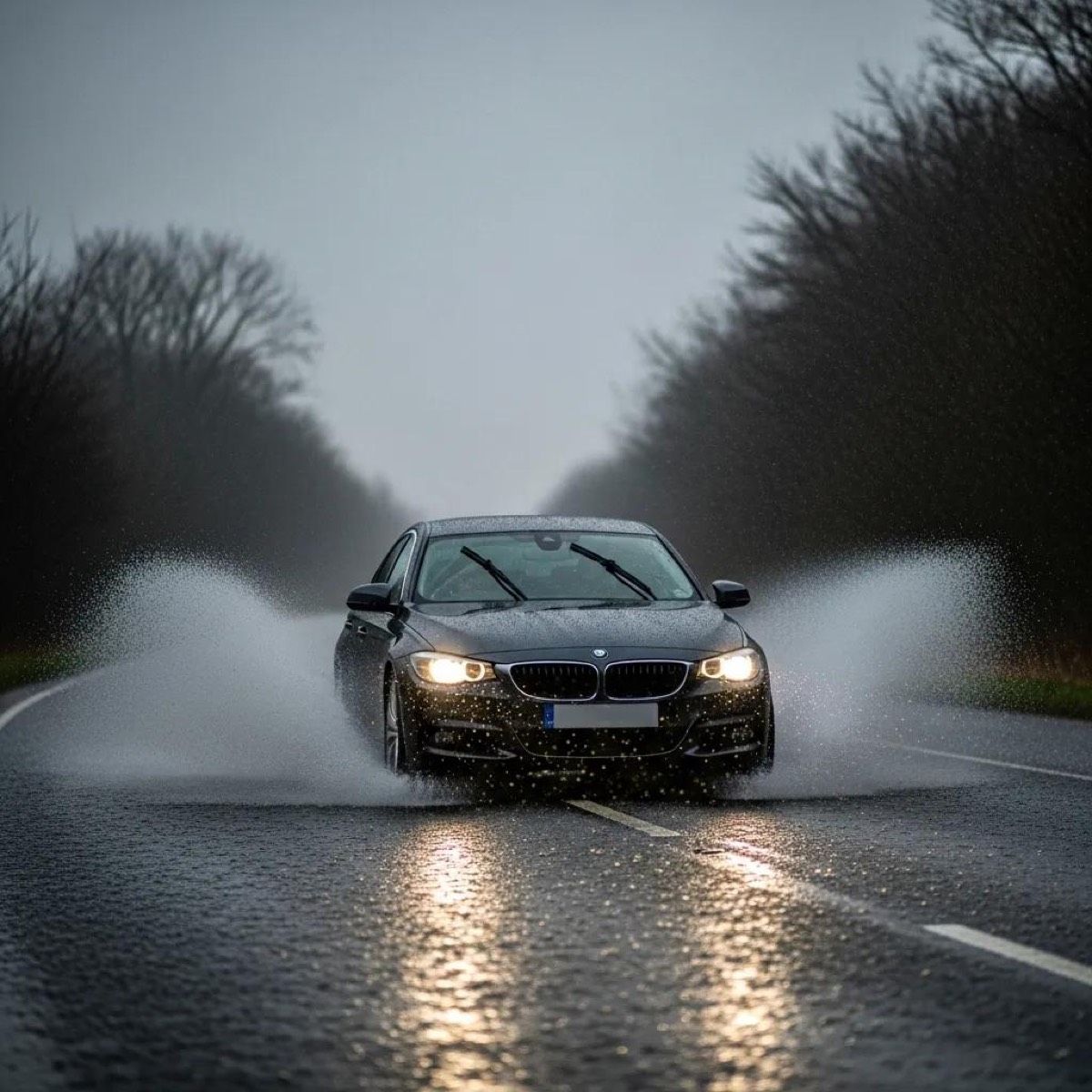
Driving in the UK carries specific risks in rain, fog and ice. In this guide, we summarise practical guidance on adapting driving technique, preserving visibility and preparing your vehicle, with tailored advice for Maidstone and Kent drivers.
How Can Drivers Adjust to Rainy Conditions for Safer UK Roads?
Rain lowers tyre grip and visibility, increasing stopping distances. Reduce speed, increase the gap to the vehicle ahead and use your wipers and demisters to keep your view clear.
Best Practices for Maintaining Visibility in Rain
Keep visibility clear with straightforward, reliable habits.
Use Headlights: Turn on dipped headlights when visibility is seriously reduced or spray makes you harder to see.
Keep Windows Clear: Clear fog and water from windows to improve vision.
Check Wiper Blades: Replace worn blades, so they perform in heavy rain.
Regularly apply these measures to reduce collision risk in wet weather.
Braking and Speed Control on Wet Surfaces
On wet roads, brake gently, avoid sudden steering or acceleration and drive smoothly to allow extra stopping distance.
What Are Key Safety Measures for Driving in UK Fog?
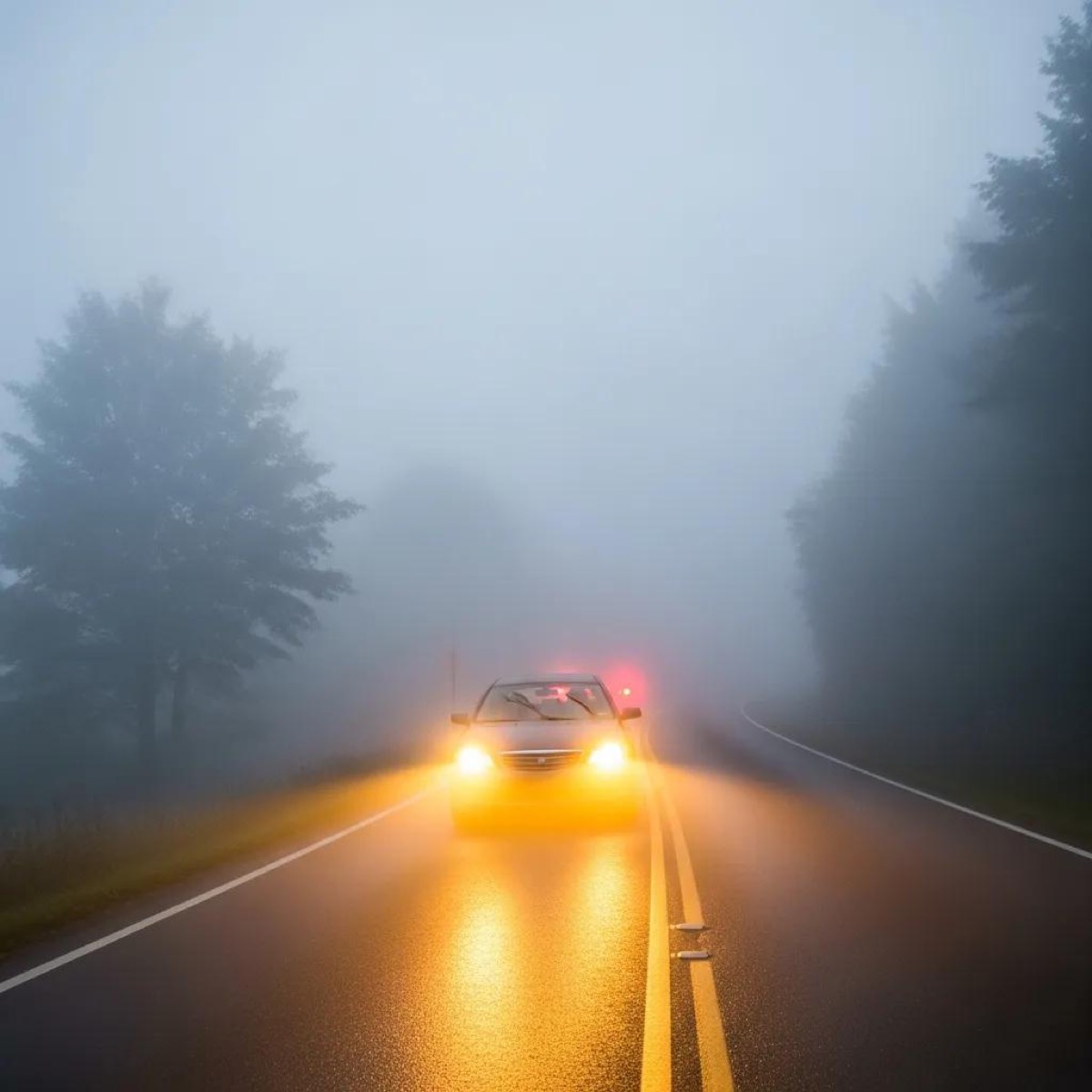
Fog cuts sightlines and hides road features. Use fog lights when necessary, slow down and increase following distance to give more reaction time.
Effective Use of Fog Lights
Use fog lights only when visibility is seriously reduced, generally below 100 metres; switch them off once visibility improves.
Managing Speed and Distance in Low Visibility
Control speed so you can stop within the visible distance; use road markings to help stay in the lane.
Maintain a Safe Distance: Keep a larger gap to the vehicle ahead.
Adjust Speed According to Visibility: Drive at a speed that lets you react to hazards in view.
Use Road Markings as Guides: Follow markings to maintain lane position.
These steps lower collision risk when visibility is poor.
Which Precautions Are Vital for Navigating Ice and Snow Safely?
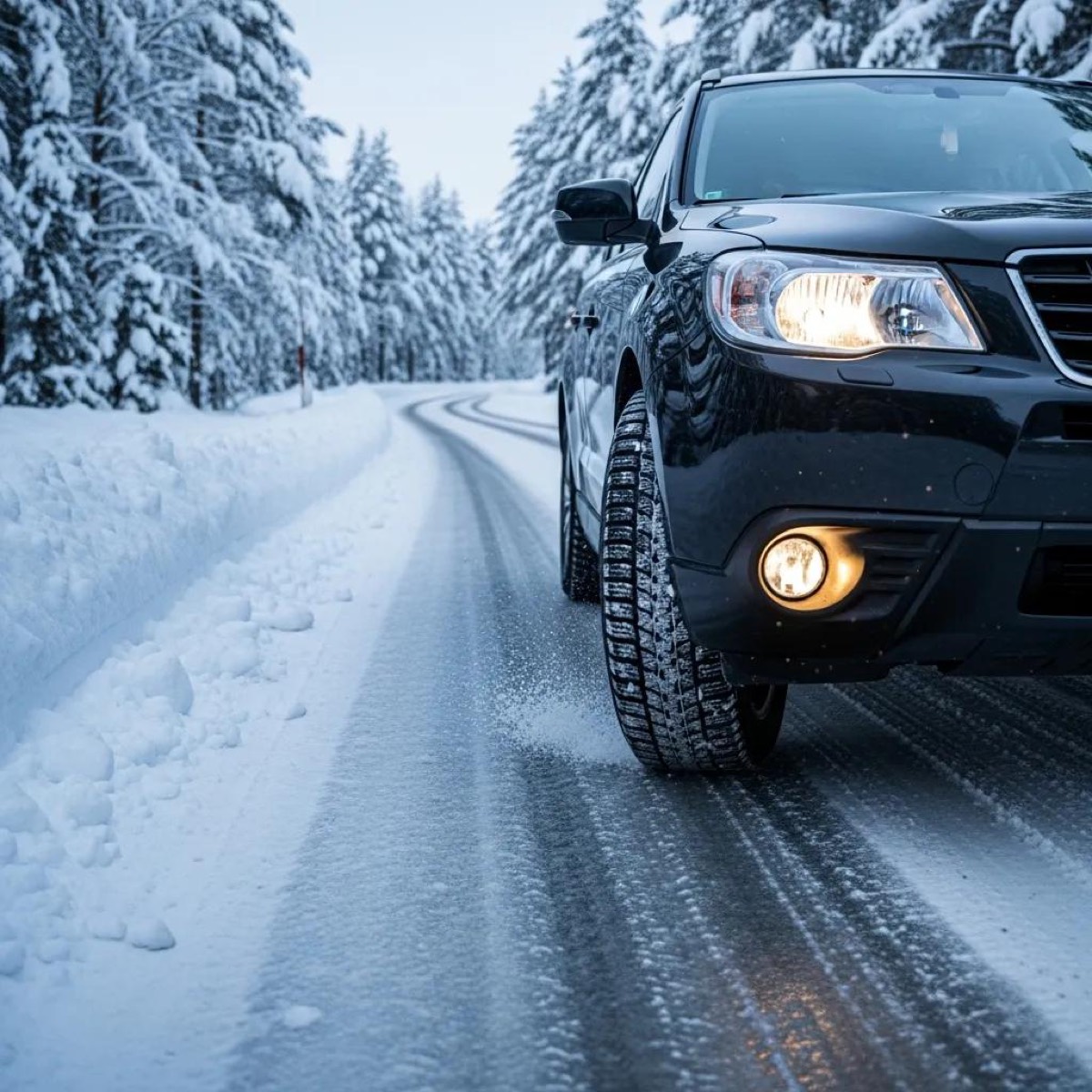
Icy and snowy roads need preparation. Check your tyres, increase following distances, and avoid harsh braking or steering if traction is lost.
Identifying and Avoiding Black Ice Hazards
Black ice is often invisible. Watch for ice on the pavement or your windscreen, and be especially careful on bridges and shaded roads. Slow down and avoid abrupt inputs if ice is suspected.
Recommended Braking Distances and Vehicle Preparation
Understand how braking distances increase on ice and snow; perform seasonal checks to keep your vehicle reliable in winter.
Check Tyre Tread Depth: Ensure tyres have sufficient tread for winter.
Know Braking Distances in Different Conditions: Familiarise yourself with longer stopping distances on ice.
Prepare Your Vehicle for Winter: Check battery and fluids; carry an emergency kit with blankets and a torch.
These preparations reduce incident risk and help maintain control on icy roads.
What Localized Advice Supports Safe Driving in Maidstone and Kent Weather?
Maidstone and Kent have local patterns—flooding, fog and icy spells—that affect driving. Knowing typical conditions helps you plan journeys and vehicle preparations.
Weather Patterns in Maidstone and Kent That Affect Driving Safety
Maidstone and Kent experience a range of conditions that impact driving safety. Typical patterns include:
Heavy Rainfall: Can reduce visibility and cause slippery surfaces.
Fog: Common in early morning or evening, reducing sightlines.
Snow and Ice: Occur in winter; require slow, careful driving.
Be aware of these patterns to adjust travel and maintenance plans.
Safe Taxi Practices for Adverse Weather in Kent
Use licensed taxis, pre-book in bad weather and check vehicle condition before boarding.
Choose Licensed Taxis: Use licensed, reputable services.
Pre-book Your Taxi: Pre-book to ensure availability.
Check Vehicle Condition: Check tyres, lights and heating where possible.
These checks improve safety and reliability in adverse weather.
Express Taxis: Your Trusted Partner for Safe Travel in All Weather
At Express Taxis, we understand the challenges that UK weather conditions like rain, fog, and ice pose to drivers and passengers alike. We are committed to providing safe, reliable, and comfortable taxi services throughout Maidstone, Kent, and surrounding areas, no matter the weather.
We prioritise safety by ensuring our fleet is regularly maintained and equipped to handle adverse weather conditions. Our drivers are trained to adapt their driving techniques to rain, fog, and icy roads, following best practices to keep you safe on every journey.
Choose Express Taxis for dependable, weather-aware taxi services that keep you moving safely throughout Maidstone and Kent.
Frequently Asked Questions
What should I do if my vehicle skids on ice?
If your vehicle begins to skid on ice, remain calm and avoid slamming on the brakes. Instead, steer smoothly and avoid sudden inputs. Avoid sudden braking, as it can make the skid worse. Gently ease off the accelerator and avoid sudden movements until you regain control. Practicing controlled skid recovery techniques in a safe environment can also help prepare you for real-life situations.
How can I prepare my vehicle for winter driving conditions?
Preparing your vehicle for winter driving involves several key steps. First, ensure your tyres have adequate tread depth and are suitable for winter conditions. Check your battery, as cold weather can reduce its efficiency. Additionally, inspect your brakes, lights, and wiper blades. It’s also wise to carry an emergency kit that includes blankets, a torch, and non-perishable snacks. Regular maintenance checks can help ensure your vehicle is reliable during the winter months.
What are the legal requirements for using fog lights in the UK?
In the UK, fog lights can be used when visibility is reduced to less than 100 meters. However, it is important to switch them off when visibility improves to avoid dazzling other drivers. The law requires that fog lights be used only when visibility is seriously reduced. Familiarizing yourself with these regulations can help ensure you drive safely and legally in foggy conditions.
How does heavy rainfall affect driving safety?
Heavy rainfall significantly impacts driving safety by reducing visibility and increasing the risk of reduced tyre grip. Wet roads can lead to longer stopping distances, so it’s crucial to reduce speed and increase the gap between vehicles. Additionally, water can accumulate on the road, creating slippery conditions. Drivers should use dipped headlights when visibility is seriously reduced and ensure their windscreen wipers are functioning properly to maintain a clear view.