 Book via WhatsApp!
Skip to content
Book via WhatsApp!
Skip to content

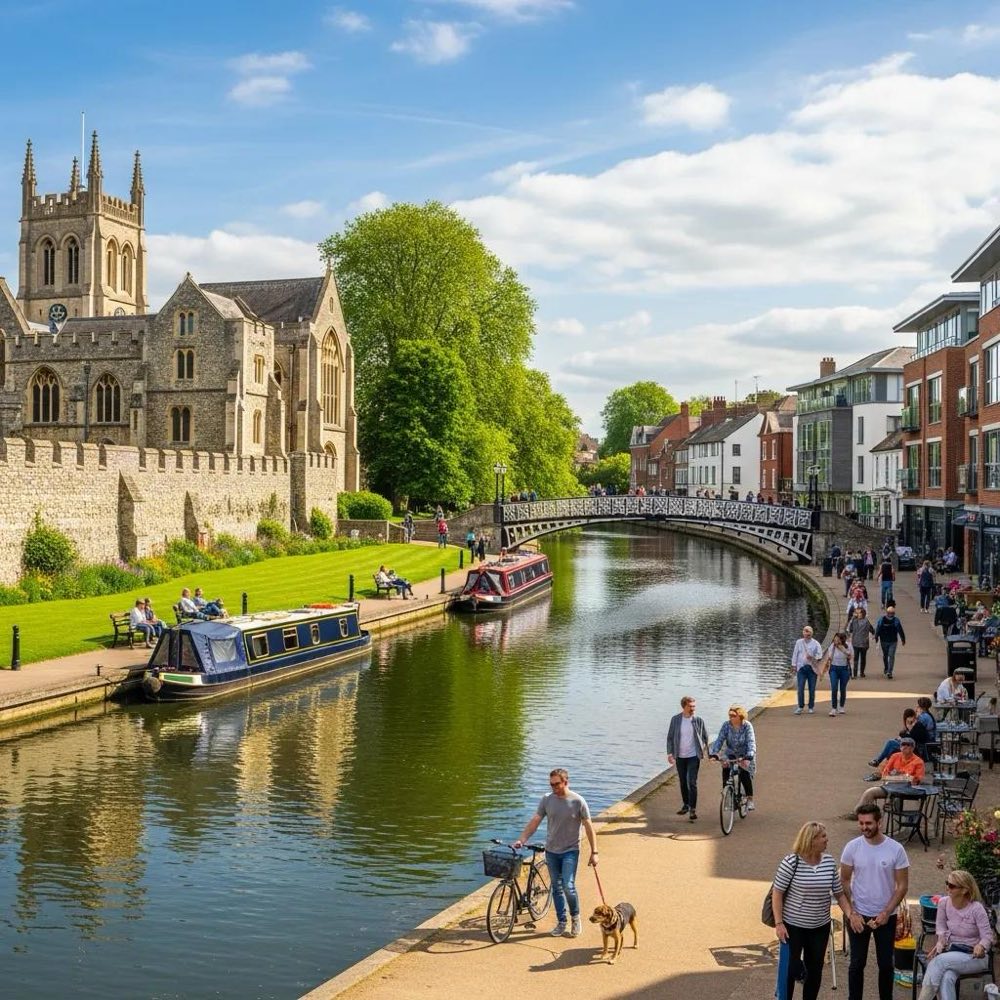
Maidstone, Kent’s county town, has a long recorded history shaped by its riverside location and market tradition. In this guide, we are discussing the town’s origins, key landmarks and economic shifts, and explain how historic patterns inform modern transport and community life, including links to local transport services.
What are the origins and early history of Maidstone?
Settlement at Maidstone goes back to the early medieval period, with Saxon-era evidence in and around the town. Positioned on the River Medway, the town grew at a crossing point where trade and movement concentrated.
The place-name is usually linked to the Saxon name Maeidesstana, and the site naturally attracted markets, merchants and new residents.
Maidstone’s Origins and Early Development
Key developments drove early growth: a permanent market from the 13th century, steady agricultural trade and regional cultural ties. These factors together created a stable economic base and a civic core that shaped Maidstone’s role in Kent.
Maidstone in the Roman and Medieval Periods
The town’s proximity to Roman roads and the Medway reinforced its regional importance. Roman infrastructure improved routes for goods; in the medieval era, churches and civic buildings signalled continued expansion and local governance under influential lords and merchants.
Which historical landmarks define Maidstone’s heritage?
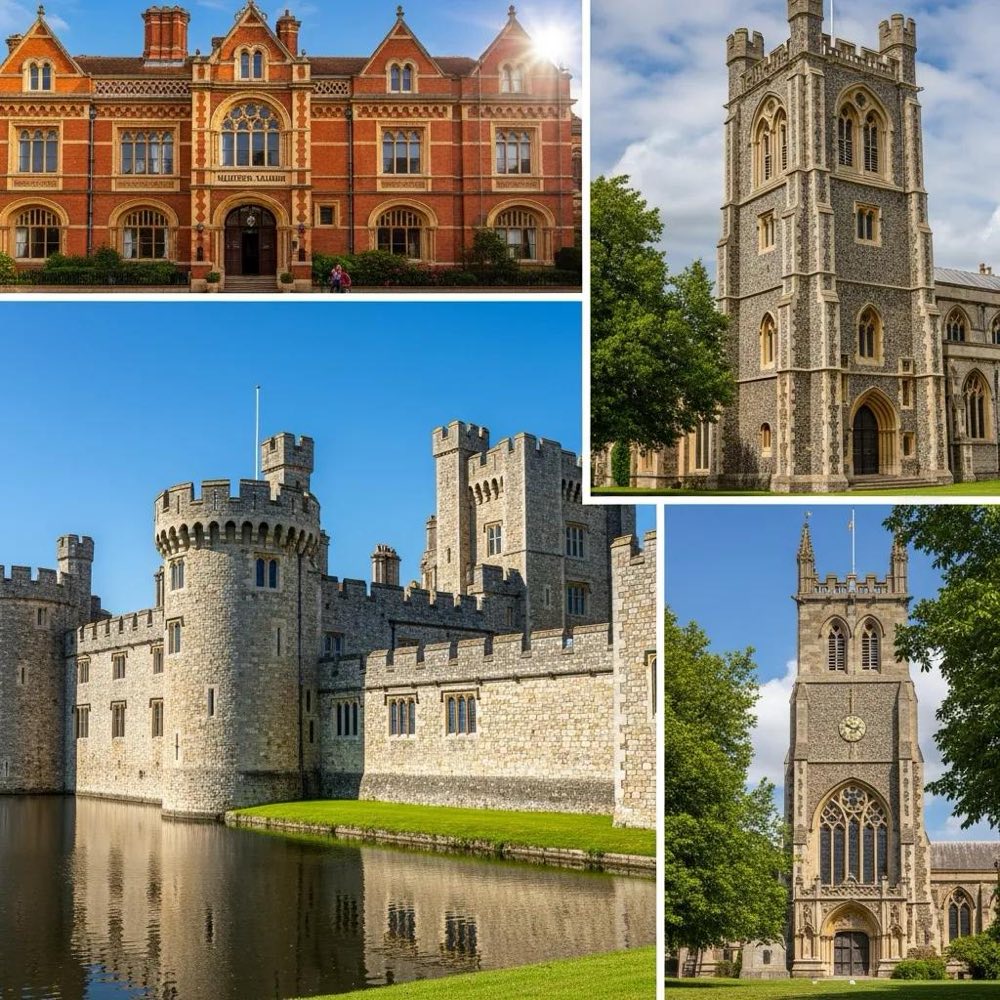
Maidstone contains several principal historical landmarks. Notable sites include:
Leeds Castle: A historic royal residence with origins over many centuries, often praised for its setting.
Maidstone Museum: Houses varied collections that trace local social and cultural history.
All Saints Church: A fine example of medieval architecture and a long-standing community focal point.
These landmarks illustrate Maidstone’s historic importance and feed into the town’s contemporary cultural identity.
Maidstone Market and the Town’s Economic History
The Maidstone Market has been central since the 13th century. It adapted to changing economic conditions, providing outlets for farmers and artisans and supporting the town’s wider commercial growth.
| Economic Factor | Description | Impact |
|---|---|---|
| Market Establishment | The founding of Maidstone Market in the 13th century | Boosted local trade and commerce |
| Agricultural Trade | The market facilitated the sale of local produce | Strengthened the economy and community ties |
| Transport Development | Growing trade increased demand for better local movement of goods and people | Supported broader improvements in connectivity over time |
The table highlights how the market, agriculture and transport developments reinforced one another to support the town’s growth.
How has the River Medway influenced Maidstone’s growth and transport?
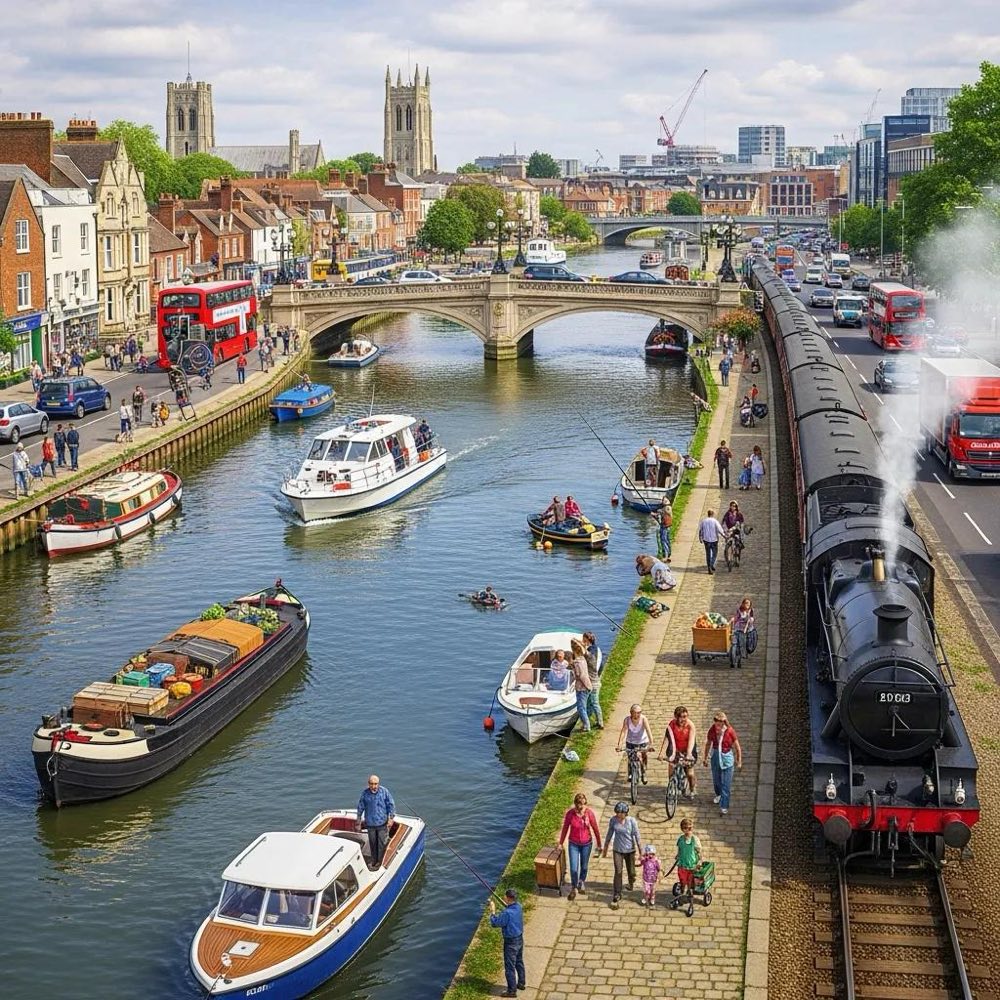
The River Medway provided a natural route for trade, encouraging industry along its banks and shaping local prosperity. Its course prompted the construction of roads and bridges to move goods and people more easily, and it supported port activity in the early modern period.
How the River Shaped Maidstone’s Economic Development
Historically, the Medway enabled the transport of agricultural produce, textiles and other goods, supporting local industry and commerce. The river remains a resource for businesses and contributes to Maidstone’s transport options and riverside amenities.
What is the connection between Maidstone’s history and modern transport services?
Maidstone’s transport network grew from its market and riverside trade. Infrastructure evolved to meet new demands while retaining a focus on accessibility and community connections. Local operators, including Express Taxis, continue to link residents and visitors with local destinations and services.
The Evolution of Transport in Maidstone
Transport modes shifted from horse-drawn vehicles to rail and motorised services. The 19th-century railways strengthened links with London and neighbouring areas; today buses and taxis provide practical local and regional travel while the town’s historic fabric remains visible.
Express Taxis’ Role in Supporting Local Travel and Community
Express Taxis helps connect people to local destinations and daily services. Reliable local transport supports everyday journeys and pre-booked travel across Maidstone and nearby areas.
Reliable Taxi Services in Maidstone You Can Trust
At Express Taxis, we are proud to be an integral part of Maidstone’s transport landscape, building on the town’s rich history of connectivity and commerce.
We provide reliable, accessible, and community-focused taxi services that link residents and visitors to key historical landmarks, cultural events, and everyday destinations.
Our fleet is equipped to meet diverse travel needs, ensuring comfort and convenience whether you are attending a festival, visiting the Maidstone Museum, or simply commuting within the town.
We understand the importance of maintaining strong community ties and supporting local heritage, which is why we actively participate in events that celebrate Maidstone’s unique identity.
Frequently Asked Questions
What are some key events that shaped Maidstone’s development in the 20th century?
The 20th century saw significant changes in Maidstone, particularly with the expansion of residential areas and the development of new industries. Post-World War II, the town grew further, with rising housing demand and suburban development. Improved road and rail connections further integrated Maidstone with the wider region. Additionally, the decline of traditional industries prompted a shift towards service-oriented businesses, shaping the town’s economic landscape and community structure.
How does Maidstone’s historical significance influence its current cultural events?
Maidstone’s rich history plays a vital role in its contemporary cultural events. Festivals and community gatherings often celebrate local heritage, such as the Maidstone River Festival, which highlights the town’s connection to the River Medway. Historical landmarks often add context and character to the town’s wider cultural life, fostering a sense of pride and continuity among residents. This blend of history and modernity enriches the community’s cultural fabric, encouraging participation and engagement with Maidstone’s past.
What role do local organizations play in preserving Maidstone’s history?
Local organizations, such as the Maidstone Museum and other heritage groups, are crucial in preserving the town’s history. They curate exhibitions, conduct research, and organize educational programs that promote awareness of Maidstone’s heritage. These groups often collaborate with the community through exhibitions, interpretation, and local heritage activities. The town has seen growth in retail, services, workspace development, and newer business activity, driven by new businesses and investment.
How has Maidstone’s economy diversified in recent years?
In recent years, Maidstone’s economy has diversified beyond its traditional agricultural roots. The town has seen growth in sectors such as retail, healthcare, and technology, driven by an influx of new businesses and investment. The establishment of business parks and the promotion of local entrepreneurship have contributed to this economic shift. Additionally, changing working patterns and business support initiatives have opened new opportunities for residents, enhancing Maidstone’s economic resilience.