 Book via WhatsApp!
Skip to content
Book via WhatsApp!
Skip to content


Group travel is efficient, but it also brings safety challenges that demand clear protocols and consistent practices. Safe group transport depends on key measures across taxis and airport transfers, including vehicle maintenance, driver vetting and training, risk management, and well-planned transfer procedures so that groups can travel with greater confidence.
What Are The Key Vehicle Maintenance Practices For Group Travel Safety?
Reliable maintenance prevents failures and keeps safety systems working: schedule servicing, run routine safety checks, and perform daily pre-trip inspections.
Daily Checks for Vehicle Safety: Quick daily inspections of brakes, lights, and tires catch immediate issues before departure.
Brake System Checks: Regular brake inspections reduce stopping-distance risk and improve passenger safety.
Regular Maintenance Schedules: Follow manufacturer and fleet schedules to address wear and avoid breakdowns.
Vehicle Servicing For Passenger Safety
Routine servicing, including checks on brakes, tyres, and safety systems, helps keep the fleet ready for group transport.
Technicians inspect seatbelts and other essential equipment and identify any issues that need repair.
Driver reporting supports regular servicing and strengthens day-to-day safety.
Trained drivers report defects promptly and follow vehicle-use protocols that help maintain safe operation.
Mandatory Safety Equipment For Group Taxi Travel
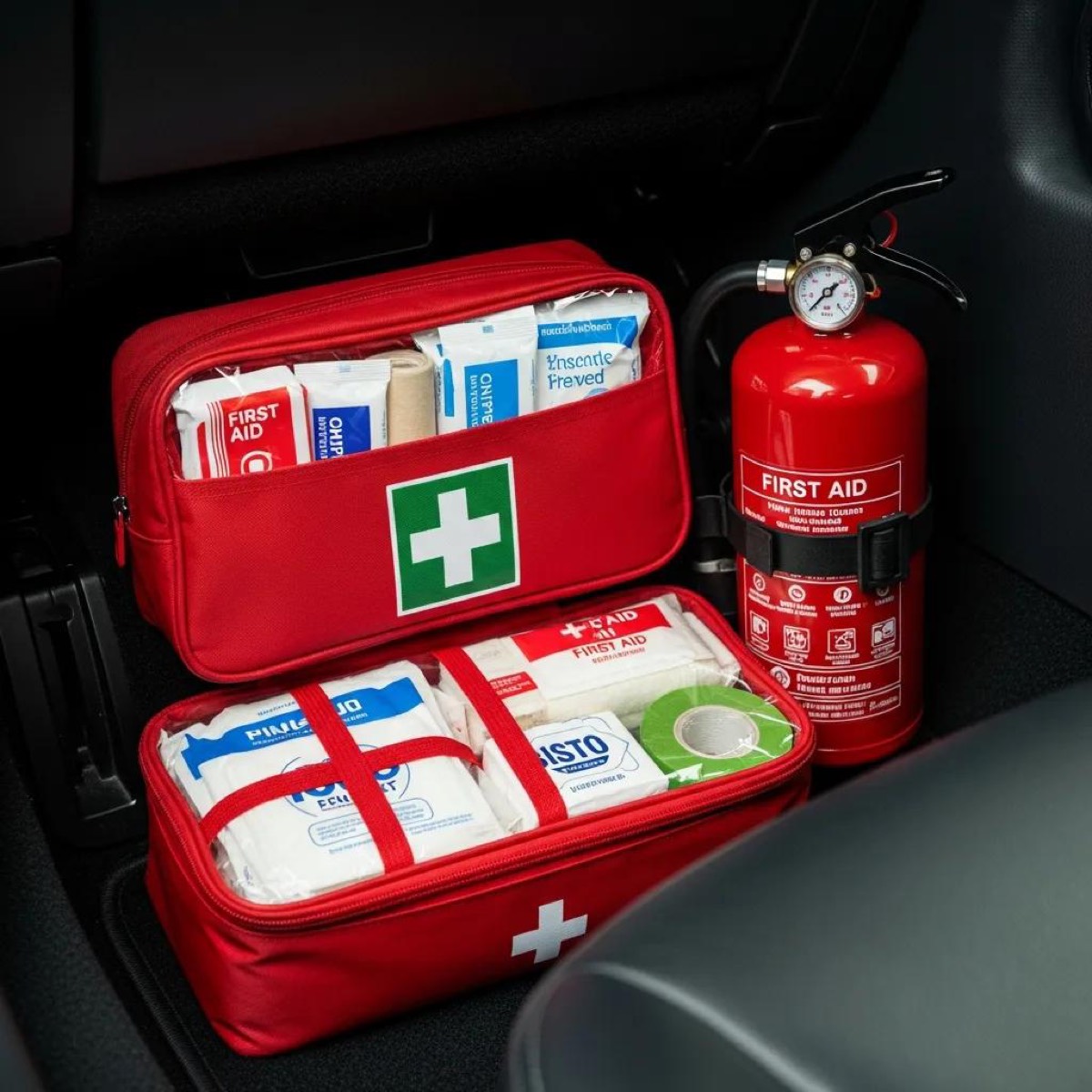
Every taxi used for groups should carry core safety equipment, and operators should keep inspection records up to date.
Working Seatbelts: Functional seatbelts for every occupant are non-negotiable.
Basic First Aid Kit: Keep a stocked kit for minor injuries and immediate care.
Regularly Inspected Fire Extinguisher: Mount and inspect extinguishers to ensure readiness.
How Are Drivers Trained And Vetted To Support Secure Group Transportation?
Comprehensive vetting and ongoing training are essential for safe group transport. Drivers should have valid licences, clear records, and regular training in customer care, emergency response, and defensive driving. Real-time monitoring also helps track behaviour and correct performance issues early.
Driver Certifications And Background Checks
Safety depends on strict driver standards, including valid licensing, DBS or equivalent background checks, and documented training in key safety procedures. Drivers should hold the correct licence for the vehicle they operate and understand evacuation steps, basic first aid, and incident reporting.
Ongoing Driver Safety Training
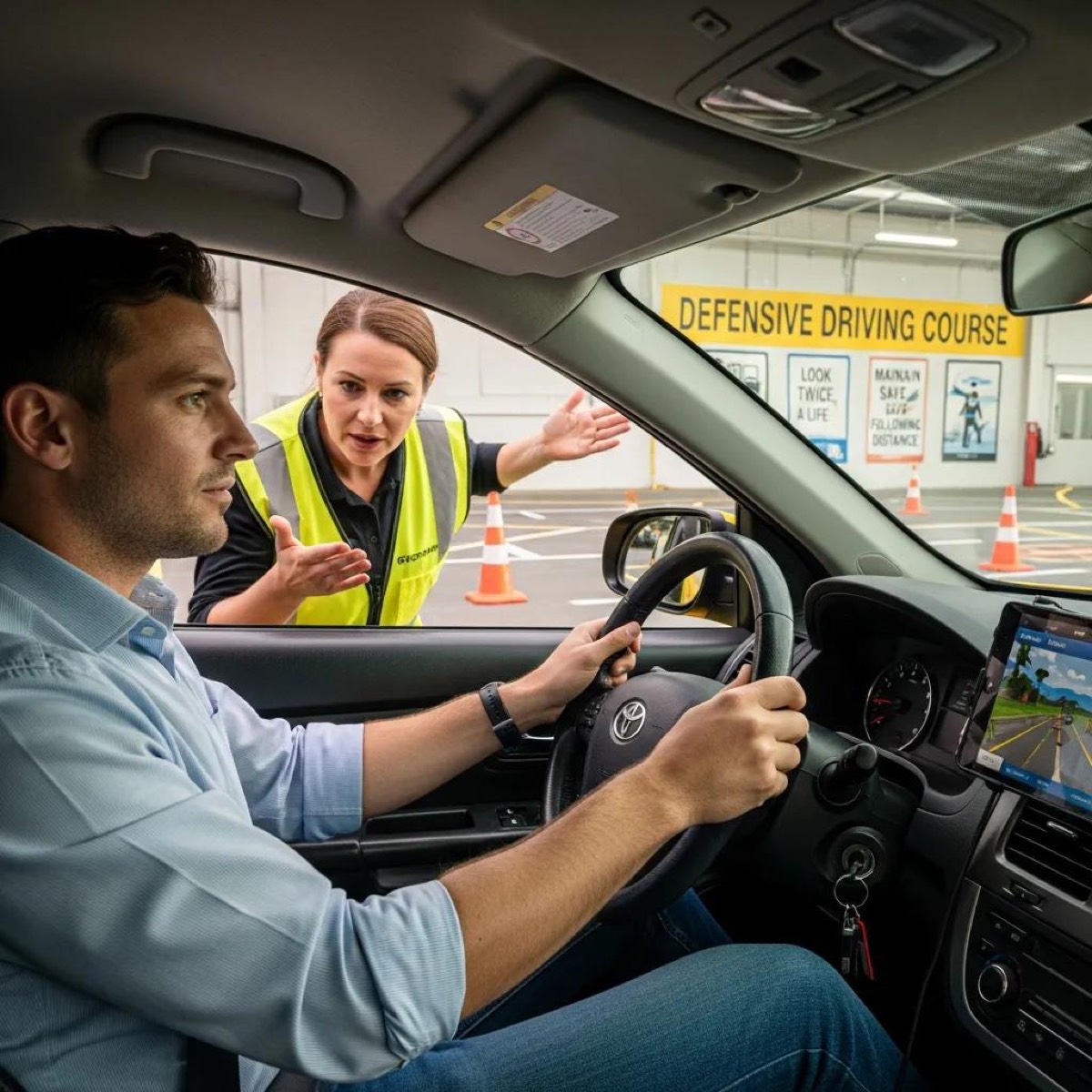
Post-recruitment training in defensive driving, customer care, and emergency drills helps keep driver skills current and reduces incident risk.
Beyond formal instruction, research also highlights health factors that can affect a taxi driver’s fitness to drive and overall safety performance. Regular assessment and support can help identify issues early and maintain safer standards.
What Are the Best Practices For Managing Group Travel Risks Effectively?
Use proven risk-management steps by choosing reputable taxi providers, avoiding unverified options, and planning clearly in advance. Sharing pickup details, itineraries, and emergency contacts helps set clear expectations and supports safer group travel.
Group Size Assessment For Safety Standards
Match vehicle capacity to group size. Larger parties may need multiple vehicles or higher-capacity vehicles to remain safe and comfortable.
Assessing Group Size for Vehicle Selection: Confirm seating and luggage capacity before booking.
Safety Implications of Larger Groups: Plan for coordination, extra supervision, and clear exit procedures.
Protocols For Reducing Common Group Travel Hazards
Establish simple, documented protocols covering booking, boarding, behaviour, and emergency steps so everyone understands responsibilities.
Clear Requirements for Travel: State pickup times, meeting points, and acceptable conduct.
Reliable Providers: Prioritise operators that share vehicle and driver details ahead of pickup.
Emergency Preparedness: Carry contact lists, assign meeting points, and know kit locations.
Which Safety Protocols Are Essential For Airport Transfers In Group Travel?
Airport transfers in Maidstone need close coordination, including pre-booked vehicles, licensed operators, and flight tracking to manage pickup times smoothly.
Secure Boarding And Departure Procedures
Use only pre-booked airport transfer services.
Check the driver’s name, photo, and vehicle registration before boarding.
Make sure the vehicle appears roadworthy and matches the booking details.
Use real-time tracking so organisers and passengers can follow the journey.
Licensed Vehicle And Driver Verification For Airport Transfers
Book with reputable services that are trusted for group airport transfers.
Choose operators that provide verified drivers.
Check the driver’s booking details, identity, and vehicle registration before departure.
Contact the operator if any pickup details are unclear or have changed.
Frequently Asked Questions
What should I do if my taxi driver seems untrustworthy?
If you feel uncomfortable with your taxi driver, prioritize your safety. Trust your instincts and consider exiting the vehicle in a safe location. You can also use the app’s emergency features to contact support or local authorities. Always ensure you have shared your trip details with someone in your group, so they are aware of your situation. Reporting the driver’s behavior to the taxi service can help improve safety for future passengers.
How can I ensure my group stays together during travel?
To keep your group together, establish a clear meeting point and time before your journey begins. Use group messaging apps to communicate in real-time, allowing everyone to stay updated on any changes. Encourage everyone to travel in the same vehicle when possible, and designate a group leader to coordinate logistics. This proactive approach minimizes the risk of separation and enhances overall safety during your trip.
What should I do if there is a delay in my taxi service?
In case of a delay, first check the app for updates regarding your ride. If the information is unclear, contact the taxi service directly for clarification. Keep your group informed about the situation and consider alternative transportation options if the delay is significant. Having a backup plan, such as knowing nearby public transport options, can help mitigate the impact of unexpected delays.
Are there specific safety features I should look for in a taxi app?
When choosing a taxi app, look for features that enhance safety, such as real-time ride tracking, driver verification, and emergency contact options. Apps that allow you to share your ride details with friends or family can also provide an extra layer of security. Additionally, check for in-app safety features like SOS buttons that can quickly connect you to emergency services if needed.