 Book via WhatsApp!
Skip to content
Book via WhatsApp!
Skip to content

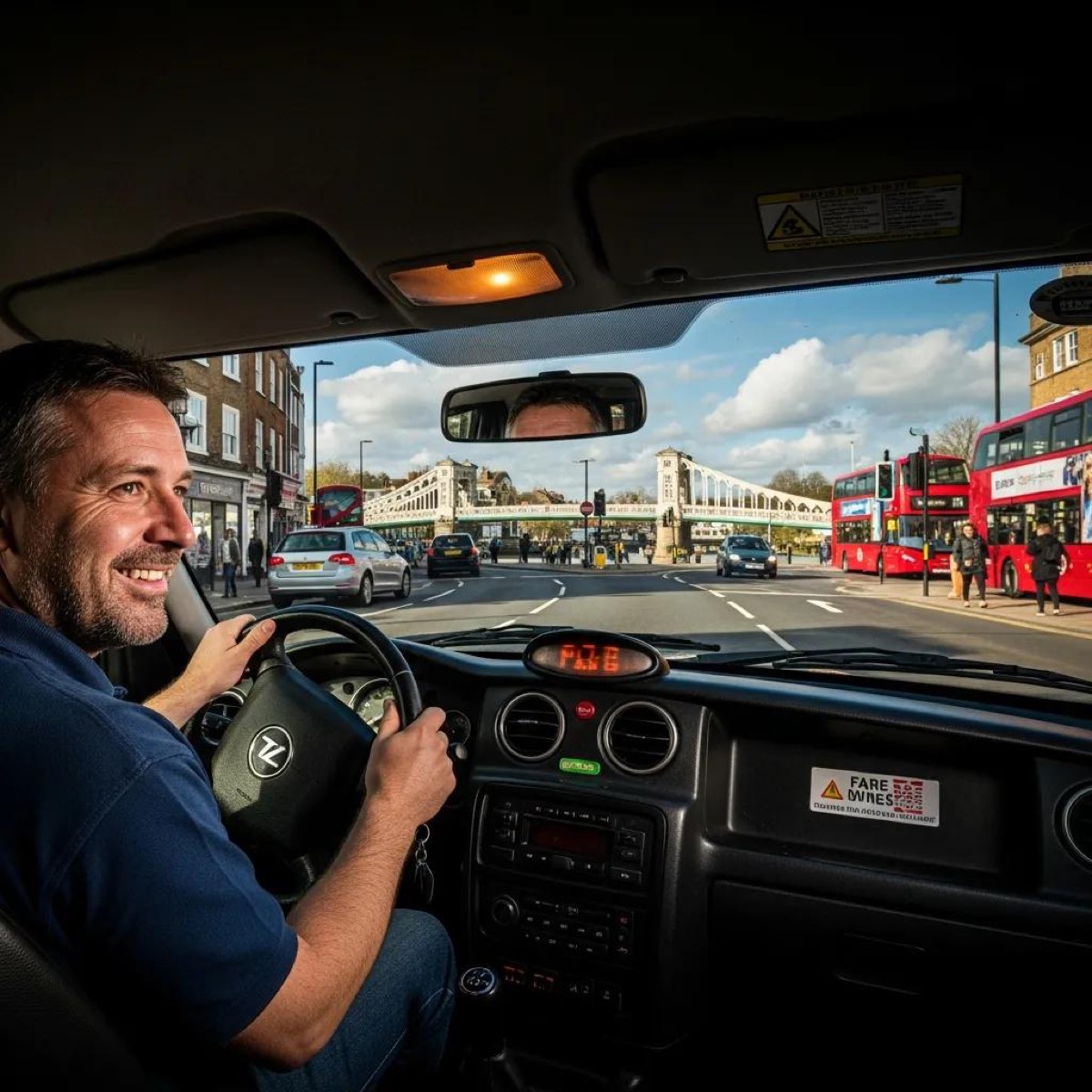
Driving a taxi in Maidstone comes with a range of daily challenges, from busy roads and changing traffic patterns to meeting diverse passenger expectations. Drivers must deal with congestion, respond calmly to difficult situations, and keep safety at the centre of every journey to maintain a reliable service.
Strong safety procedures, stress management, and efficient route planning all help drivers work more effectively and provide a smoother, more dependable experience for passengers.
What Are The Most Common Challenges Faced By Taxi Drivers?
Drivers commonly contend with congestion, challenging passenger behaviour, and safety concerns that affect earnings and wellbeing. Proactive steps help maintain operations and protect driver welfare.
Traffic Congestion Impact On Taxi Driving In Maidstone

Heavy traffic can have a direct impact on a taxi driver’s working day. Congestion often leads to longer journey times, higher stress levels, and fewer completed fares, which can reduce overall earnings. It can also make it harder to stay on schedule and meet passenger expectations, especially during peak hours or in busy parts of Maidstone.
By recognising how congestion affects both time and income, drivers can plan smarter routes, adjust working hours where possible, and make better decisions that help protect efficiency and maintain more consistent earnings.
Difficult Passenger Situations Encountered By Taxi Drivers
Taxi drivers may sometimes face difficult situations, including aggressive behaviour, intoxicated passengers, misunderstandings, or communication problems caused by language barriers. These challenges can quickly make a journey uncomfortable or unsafe if they are not handled properly.
Remaining calm, speaking clearly, and keeping a professional tone can help prevent the situation from escalating. It is also important for drivers to follow company procedures, know when to set boundaries, and seek support when needed.
How Does Express Taxis Maidstone Ensure Driver Safety And Security?
At Express Cabs, we emphasise safety through background checks, structured training, and real-time vehicle monitoring to prepare drivers for on-road challenges.
| Safety Measure | Description | Benefit |
|---|---|---|
| Background Checks | All drivers undergo extensive background checks to ensure safety. | Reduces the risk of hiring unsafe drivers. |
| Driver Training | Comprehensive training programs prepare drivers for various situations. | Enhances driver confidence and skills. |
| Real-Time Monitoring | Vehicles are monitored in real-time for safety and accountability. | Improves response times in emergencies. |
Safety Protocols Protecting Drivers During Their Shifts
Protocols include regular vehicle maintenance, clear emergency procedures, and in-vehicle safety features. Following these protocols reduces risk and supports a safer work environment.
Regular Vehicle Maintenance: Ensures vehicles remain reliable and reduces breakdowns.
Emergency Procedures: Prepares drivers to handle emergencies and protect occupants.
In-Car Safety Features: GPS tracking and other safety features can add security.
Driver Training For Emergency Situations
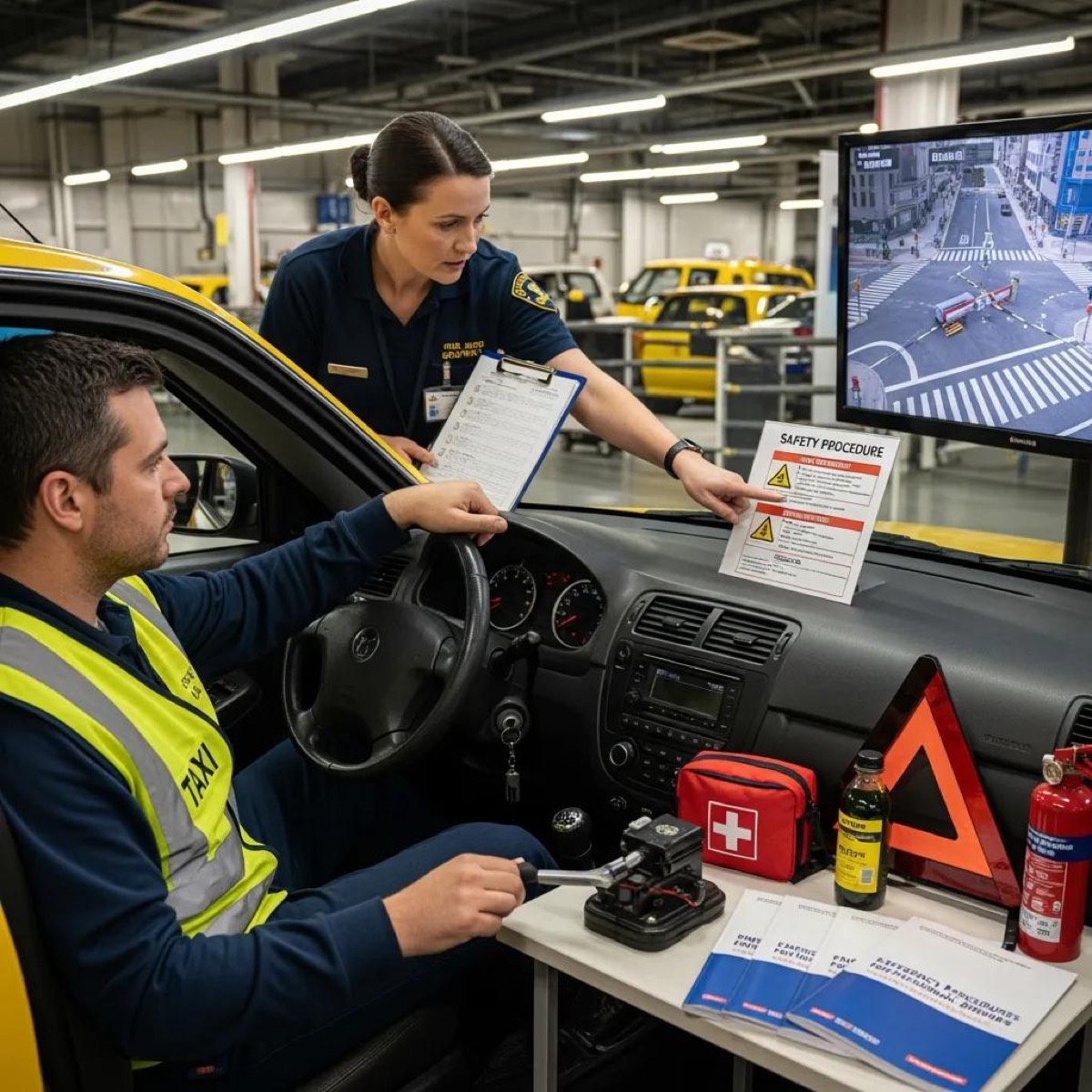
Training covers response procedures, clear communication, and de-escalation, helping drivers respond calmly and effectively in high-pressure situations.
Response Procedures: Drivers learn the correct steps to follow when dealing with difficult or high-pressure situations.
Clear Communication: Training helps drivers speak calmly and clearly to reduce confusion and avoid escalation.
De-Escalation Skills: Drivers are taught how to manage tension and respond in a controlled, professional way.
What Strategies Help Taxi Drivers Manage Stress And Fatigue Effectively?
Managing stress and fatigue supports safety and longevity in work. Time management, relaxation, and peer support are effective approaches.
Techniques To Reduce Stress During Busy Or Difficult Shifts
During busy shifts, drivers can use a few simple techniques to manage stress and stay focused. Short breathing exercises can help calm nerves in tense moments, while brief breaks give drivers a chance to reset and maintain concentration. Positive self-talk can also help improve morale and keep the mind steady during long or demanding hours.
Express Cabs Support For Driver Wellbeing
At Express Taxis, we offer flexible hours and driver support. This helps drivers balance work and personal commitments. Emphasis on driver wellbeing is crucial because fatigue remains a significant health and safety concern in the road transport sector.
How Can Taxi Drivers Navigate Traffic Efficiently In Maidstone And Kent?
Combining route-planning tools with local knowledge helps drivers optimise routes and reduce delays.
Route Optimization Tools Available To Drivers
GPS navigation helps drivers follow real-time directions and choose the most efficient route during the journey.
Traffic monitoring apps provide live updates on congestion, roadworks, and incidents that may affect travel times.
These tools help reduce delays and allow routes to be adjusted more quickly when traffic conditions change.
Driver feedback systems can be used to share local road knowledge and practical route insights.
Using these tools together supports smoother journeys, better planning, and more reliable travel times.
Adapting To Real-Time Traffic Conditions
Drivers should use live traffic updates to stay aware of changing road conditions during the journey.
When necessary, they should consult dispatch for extra support or updated routing advice.
Being ready to change routes quickly can help avoid congestion, delays, or unexpected disruptions.
This level of adaptability improves journey efficiency and keeps travel plans running more smoothly.
Flexible route management also creates a better overall experience for passengers by reducing stress and saving time.
Why Do Drivers And Passengers Trust Express Cabs In Maidstone?
At Express Cabs, we understand that good taxi service depends on more than getting from one place to another. It also depends on safety, calm decision-making, local route knowledge, and professional driver support.
We focus on reliable journeys by working with trained drivers, encouraging safe working practices, and helping every trip run as smoothly as possible. This focus supports safer, more consistent journeys for passengers across Maidstone and nearby areas.
Frequently Asked Questions
What Are The Legal Requirements For Taxi Drivers In Maidstone?
Taxi drivers in Maidstone must hold the appropriate taxi or private hire driver licence from Maidstone Borough Council. They must also meet the council’s licensing requirements. This involves passing the council’s taxi licence test, a DBS check, a medical assessment, and a driving assessment.
How Can Taxi Drivers Improve Their Customer Service Skills?
Improving customer service helps taxi drivers create a better passenger experience. Clear communication, active listening, and a friendly attitude all make a difference. Training in conflict handling and cultural awareness can also help drivers respond better to different passenger needs, while regular feedback supports ongoing improvement.
What Should Taxi Drivers Do If They Feel Unsafe During A Ride?
If a taxi driver feels unsafe during a ride, safety should come first. They should stay calm, use any in-car safety features to alert dispatch or authorities, and stop in a safe place if needed. Any incident should then be reported to the company and police for proper follow-up.
How Can Taxi Drivers Stay Updated On Local Traffic Laws And Regulations?
Taxi drivers can stay informed about local traffic laws and regulations by regularly attending training sessions and workshops offered by their taxi company or local authorities. Subscribing to newsletters from transportation agencies and participating in online forums can also provide valuable updates.