 Book via WhatsApp!
Skip to content
Book via WhatsApp!
Skip to content

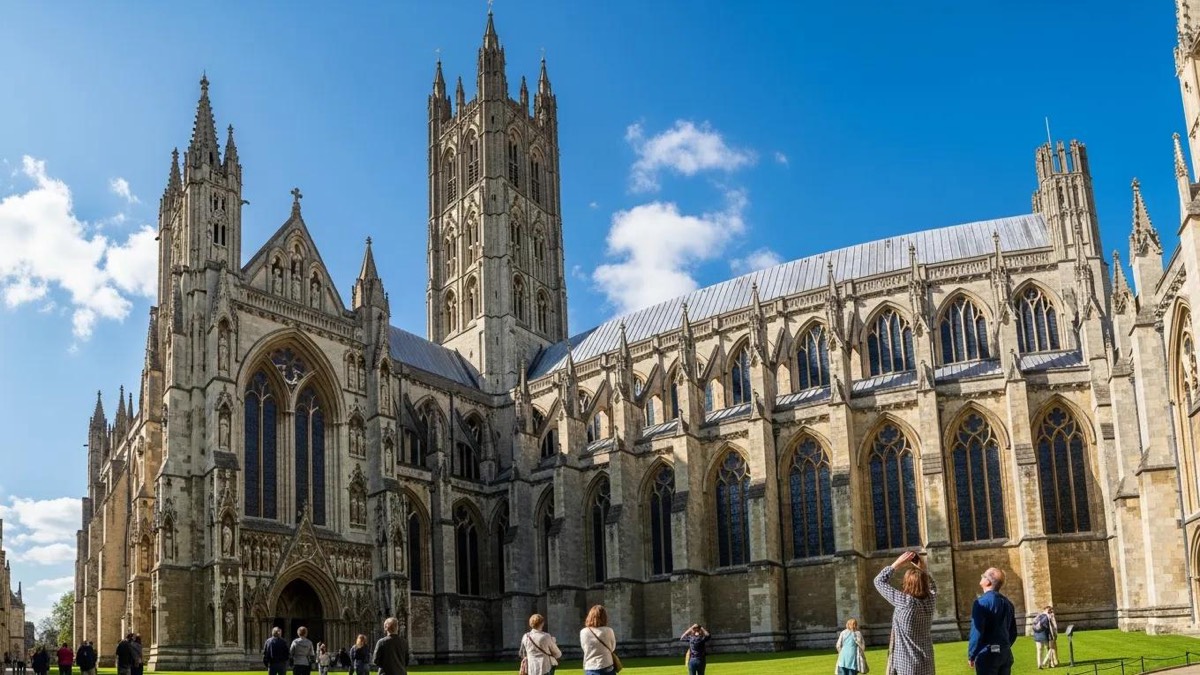
Canterbury has long stood as a beacon of Christian pilgrimage, its significance deeply rooted in the Middle Ages. The city’s best-known landmark, Canterbury Cathedral, draws many visitors who come to explore its history, culture, and spirituality.
This magnificent cathedral not only commemorates the life and martyrdom of Thomas Becket but also serves as a testament to centuries of architectural mastery and religious devotion. Through this article, readers will gain a comprehensive understanding of Canterbury’s enduring pilgrimage tradition, its cultural identity, and practical visitor information to enhance their experience.
What is the historical importance of Canterbury Cathedral?
Canterbury Cathedral holds a place of profound historical importance as the site where Thomas Becket was martyred, an event that transformed it into one of medieval England’s most revered pilgrimage destinations.
Recognized as part of a UNESCO World Heritage Site, the cathedral is a masterpiece of Romanesque and Gothic architecture, embodying the spiritual and artistic achievements of its era.
Its history, worship, and association with Thomas Becket have played a pivotal role in shaping the religious landscape of England, making it a symbol of faith and resilience through the centuries.
Canterbury Cathedral’s Role in Medieval England’s Religious Landscape
The cathedral’s influence on medieval England was significant, particularly through the dramatic conflict between Thomas Becket and King Henry II. This clash over the authority of the church versus the crown culminated in Becket’s martyrdom.
It elevated the cathedral’s status as a sacred site and intensified debate over church authority. This event had lasting repercussions, shaping the practices of English Christianity and strengthening Canterbury’s role in pilgrimage, faith, and penance.
Key Architectural Features of Canterbury Cathedral
Architecturally, Canterbury Cathedral is a stunning example of Romanesque and Gothic design, characterized by its soaring pointed arches, intricately ribbed vaults, and the elegant flying buttresses that support its structure.
The cathedral’s stone carvings are masterpieces of medieval craftsmanship, depicting biblical scenes and saints with remarkable detail. Its vibrant stained glass windows flood the interior with colored light, narrating stories of faith and history. Continuous conservation efforts help preserve this architectural gem for future generations to admire and study.
Who was Thomas Becket, and why is his pilgrimage significant?
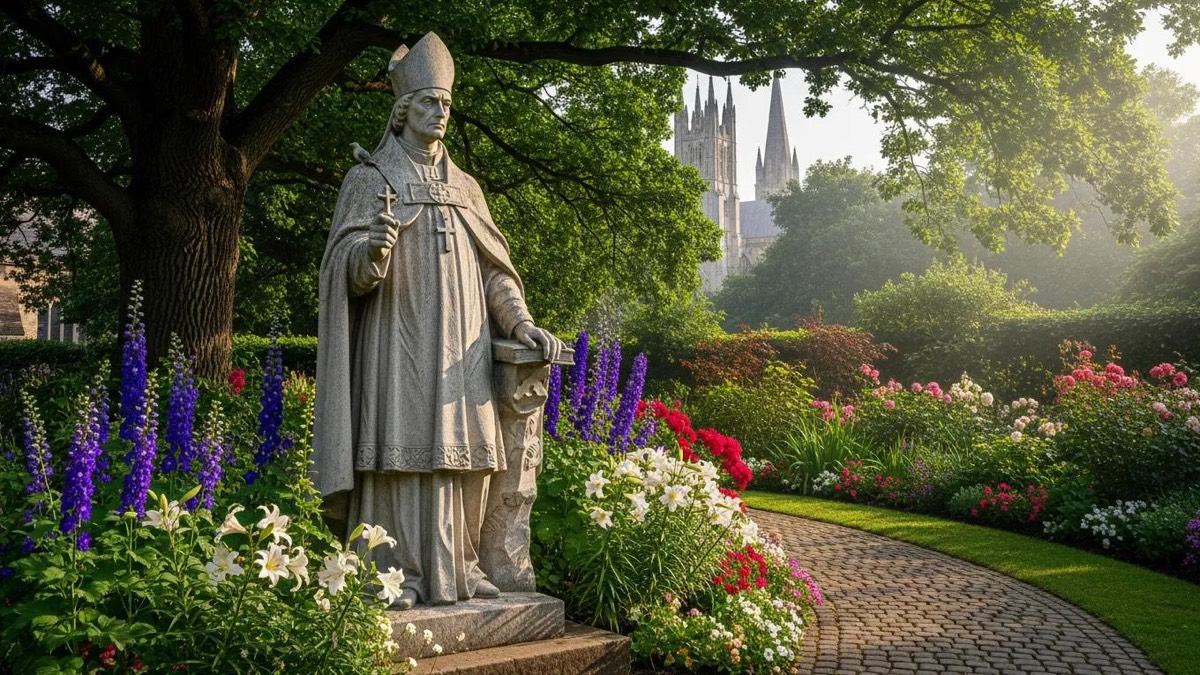
Thomas Becket, the Archbishop of Canterbury, remains a towering figure in English ecclesiastical history. His steadfast defense of church rights against royal interference led to his tragic martyrdom, an event that resonated deeply across the nation.
Pilgrims journey to Canterbury to pay homage to Becket’s enduring legacy, reflecting on his courage and the profound impact of his life and death on the church’s role in society.
Events Leading to Thomas Becket’s Martyrdom in 1170
The path to Becket’s martyrdom was marked by escalating tensions with King Henry II, centered on the struggle for control over the church’s authority. This conflict reached a violent climax when Becket was murdered by knights loyal to the king within the cathedral itself in 1170.
The shockwaves of this event were felt throughout England and beyond, leading to Becket’s canonization as a saint and solidifying Canterbury’s position as a major pilgrimage destination.
Thomas Becket’s Legacy in Modern Pilgrimage Traditions
Thomas Becket’s legacy continues to shape pilgrimage practices today, with annual commemorations and events that draw visitors from around the world.
Modern pilgrimages to Canterbury blend elements of faith, historical education, and cultural appreciation, allowing pilgrims to connect with the spiritual heritage of the site while engaging with its rich historical narrative. This ongoing tradition keeps Becket’s story alive and relevant in contemporary religious and cultural contexts.
Which pilgrimage sites in Kent are essential for visitors?
Visitors to Kent seeking to explore its pilgrimage heritage will find several key sites that offer deep insights into the region’s spiritual and historical fabric. Canterbury Cathedral stands at the heart of this network, complemented by St Augustine’s Abbey, a site of early Christian significance, and the Canterbury Roman Museum, which provides broader historical context on the city’s ancient past.
Together, these landmarks create a comprehensive picture of Kent’s pilgrimage and religious history.
Medieval Pilgrimage Routes Connecting Canterbury and Kent Landmarks

The medieval pilgrimage routes, such as the famed Pilgrims’ Way, historically connected Canterbury with other significant religious sites across Kent.
These paths guided pilgrims through picturesque landscapes and historic villages, offering a journey that was both spiritual and physical. Today, visitors can retrace these ancient routes on foot, experiencing firsthand the sense of devotion and adventure that characterized medieval pilgrimage travel.
Visitor Access to Canterbury and Kent Pilgrimage Sites
Modern visitors have a variety of options to explore Canterbury’s pilgrimage sites. Walking tours provide an immersive experience, allowing travelers to absorb the atmosphere and details of each location.
Guided trips offer expert insights and historical context, enriching the visit. Public transport links, combined with taxis and buses, provide flexible and convenient access to sites spread across the region. Visitor centers and online resources offer maps and planning tools to help tailor each journey to individual interests and needs.
What historic landmarks define Canterbury’s medieval heritage?
Canterbury’s medieval heritage is vividly brought to life through its array of historic landmarks. The cathedral itself is the centerpiece, with nearby sites such as St Augustine’s Abbey and the Roman Museum adding context to the city’s religious and civic evolution. The ancient city walls, winding historic streets, and numerous parish churches add layers of local character and history, illustrating the dynamic interplay between faith, governance, and commerce that shaped medieval Canterbury.
Sites That Complement Canterbury Cathedral’s History
St Augustine’s Abbey offers a glimpse into the early Christian foundations of Canterbury, while the Roman Museum reveals the city’s roots in antiquity.
These sites, alongside the cathedral, provide visitors with a multi-dimensional understanding of Canterbury’s social and cultural development, enriching the overall experience through their combined historical narratives.
These Landmarks’ Role in Kent Heritage Tourism
The historic landmarks of Canterbury play a vital role in attracting visitors interested in history, spirituality, and culture. They support the local economy by drawing tourists who engage with businesses and cultural institutions. Efforts to preserve these sites and promote sustainable tourism help keep Kent’s rich heritage accessible and vibrant, fostering cultural exchange and education for generations to come.
Express Taxis: Enhancing Your Canterbury Pilgrimage Experience
At Express Taxis, we understand the importance of seamless and comfortable travel when exploring Canterbury and the wider Kent area. Our dedicated taxi services are tailored to meet the needs of visitors seeking convenient transportation to and from key historical and religious sites across Canterbury and Kent.
Whether you are arriving for a day trip or planning an extended tour of the medieval landmarks, Express Taxis offers reliable, punctual, and friendly service to ensure your journey is stress-free. Our drivers are knowledgeable about the area and can provide helpful tips and recommendations to enrich your visit.
Frequently Asked Questions
What is the best time of year to visit Canterbury for a pilgrimage?
The best time to visit Canterbury for pilgrimage is during the spring and early autumn months, specifically from April to June and September to October. During these periods, the weather is generally mild, making it comfortable for walking tours and outdoor exploration. Additionally, these months often see fewer crowds compared to the peak summer season, allowing for a more reflective and personal pilgrimage experience. Special events and religious observances may also be scheduled during these times, enhancing the spiritual atmosphere of the visit.
Are there any guided tours available for pilgrims in Canterbury?
Yes, there are several guided tours available for pilgrims in Canterbury. These tours often focus on the historical and spiritual significance of key sites, including Canterbury Cathedral and St Augustine’s Abbey. Knowledgeable guides provide insights into the rich history and cultural context of the pilgrimage, making the experience more enriching. Many tours also offer themed experiences, such as medieval reenactments or spiritual reflections, catering to various interests. Booking in advance is recommended, especially during peak tourist seasons.
What accommodations are available for pilgrims visiting Canterbury?
Canterbury offers a range of accommodations suitable for pilgrims, from budget-friendly hostels to charming bed and breakfasts and upscale hotels. Many establishments are located within walking distance of key pilgrimage sites, making it convenient for visitors to explore the area. Some accommodations even provide special packages for pilgrims, including meals and guided tours. It’s advisable to book early, especially during major religious events or festivals, to secure the best options for your stay.
How can visitors engage with the local community during their pilgrimage?
Engaging with the local community during a pilgrimage in Canterbury can enhance the experience significantly. Visitors can participate in local church services, attend community events, or join workshops that focus on the region’s history and culture. Many local organizations offer volunteer opportunities, allowing pilgrims to contribute to community projects. Additionally, dining at local eateries and shopping at artisan markets can provide a taste of Canterbury’s culture and foster connections with residents.